



Vase made by Edward Knopfflin (Part 1)
The vase made by Edward Knopfflin is an exquisite fine porcelain artwork, created between 1902 and 1916, produced in Palatine, France. Overall, the vase has a flat bottom, slightly expanded middle, rounded top, and then extends upwards to form a higher neck, ending with a wide edge. Two handles decorated with reed patterns connect the middle and upper ends of the neck. In terms of decoration, the vase adopts a hollow design inspired by plants, with green and orange pink as the main colors, and is also decorated with two three-dimensional crayfish. It is one of the collections of the Parthenon Museum of Art and History.

Vase made by Edward Knopfflin (Part 2)
The decorative vase made by Edward Knopfflin is an exquisite fine porcelain artwork, created between 1902 and 1916, produced in Paltenay, France. The main body of the vase is decorated with two oval reliefs, including a white high relief female side image, connected by two deep green flower garlands. In addition, the neck and base are striped and adorned with light reddish brown dots. The two handles connecting the neck and the top of the bottle are placed on two decorative pieces shaped like a ram's head. The color scheme of the entire vase ranges from shallow green to deep green, as well as old rose, white, and ochre. It is a collection of the Parthenone Museum of Art and History.

The flower bed made by Edward Knopfflin
The flower bed made by Edward Knopfflin is a ceramic artwork decorated with a duck pattern, created between 1902 and 1916 and produced in Palatine, France. Not only is it a practical gardening container for growing flowers and plants, but it is also an artwork showcasing Knopfflin's exquisite craftsmanship. The duck decoration on its surface adds natural beauty, reflecting the artist's love for natural themes and attention to details. As one of the collections of the Peltier Museum of Art and History, it not only enriches the museum's collection, but also showcases the tradition and charm of Peltier ceramic art to visitors.

Popular Models
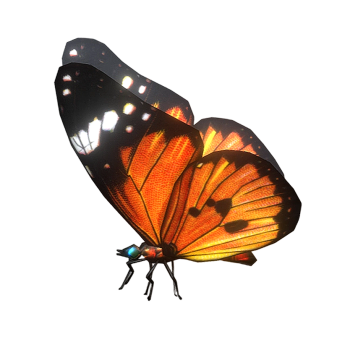
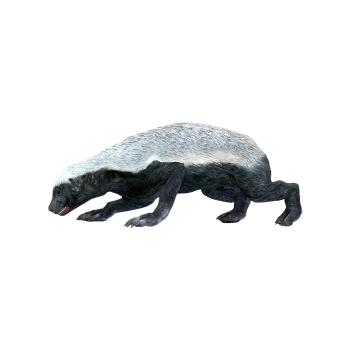
Honey Badger (3D animated model)
192 View
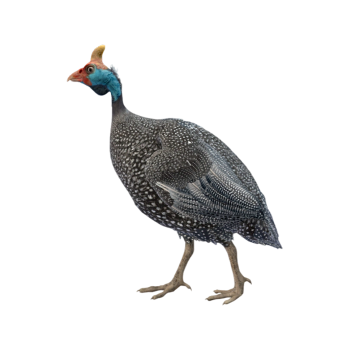
Guinea fowl (3D animated model)
163 View
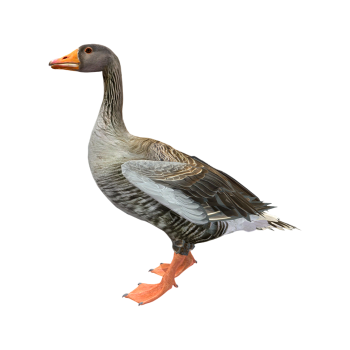
Wild Goose (3D animated model)
185 View
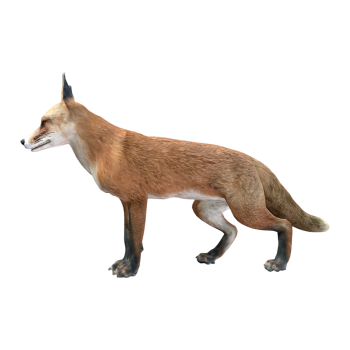
Red Fox (3D animated model)
153 View
Random Model

Vintage wooden fan
988 View

F1 Sauber C- 44 Formula Car
998 View

Atlantic lantern fish specimen
499 View


Modern simple style gray fabric sofa
492 View


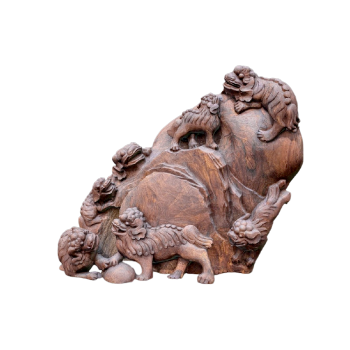
Wood carving "Lion Rock"
416 View